- Smart building technology integrates lighting, HVAC, security, access control, and automatic doors into a single, manageable system that improves building performance and reduces operational costs.
- IoT-enabled automatic doors improve energy efficiency, pedestrian flow and maintenance visibility, making them a practical part of any smart commercial building strategy.
- Connected door systems can send automated fault alerts, supporting faster servicing and efficient building management.
- Smart buildings can reduce unexpected downtime across hospitals, offices, retail centres and other commercial properties.
Smart buildings are changing how commercial spaces operate by connecting systems such as lighting control, air conditioning, security and access into a more coordinated building environment. Instead of relying on separate systems and manual checks, building managers can use connected smart building technology to monitor performance, improve efficiency, and create a better experience for occupants.
Entrances are an important part of this connected approach. Modern automatic doors can work alongside Internet of Things (IoT) technology and building management systems (BMS) to support smoother access, stronger building control, and reduce operating costs.
In this article, we explore how these technologies come together and what they mean for commercial buildings across Perth and Western Australia.
What are smart buildings?
A smart building is a commercial property that uses connected systems, sensors, and automation to improve its operations. Rather than managing lighting, heating, cooling, security, lifts, and access as separate concerns, smart commercial buildings integrate these systems so they can share data, respond to conditions, and be monitored from a central point.
Automatic doors sit within this broader picture. At a busy hospital entrance, a retail centre, or a government office, how people move in and out affects energy usage, safety, security, and the overall building experience.
The role of IoT in smart buildings
IoT stands for the Internet of Things, which refers to connected devices that collect and share data. In a smart building context, IoT technology lets sensors, controllers, and monitoring platforms communicate in real time, giving building managers a clearer picture of how their property is operating.
For access points, this means understanding how often entrances are used, whether a door is functioning within normal parameters, and when a fault occurs.
How a building management system fits in
A building management system (BMS) is the software and control infrastructure that integrates a building’s systems. It gives facility managers centralised visibility over heating, cooling, lighting, security, access control and more. Rather than checking each system separately, a BMS lets you monitor and adjust building operations from one platform.
Smart building management through a well-configured BMS supports better reporting, faster fault response and more efficient energy management systems across the whole property.
Smart building access control explained
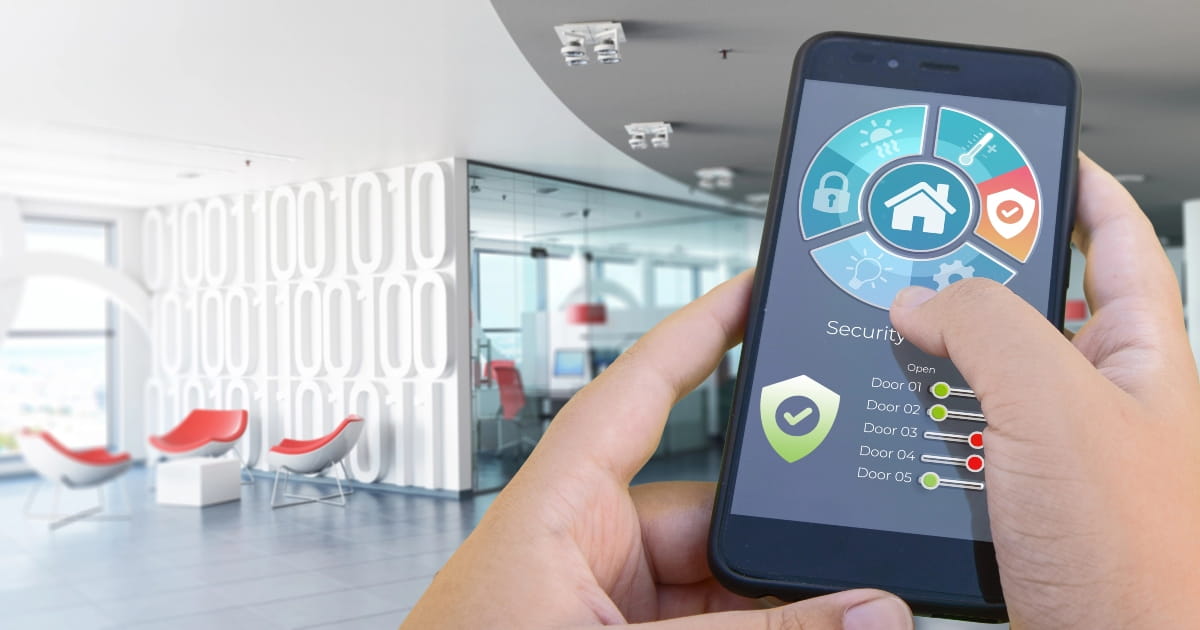
Access control in a smart building goes beyond a key or swipe card. It’s a connected way to manage who enters, when they enter, and which areas of a building are accessible. Integrated systems can manage staff access, visitor entry, after-hours restrictions, and secure zones, working alongside automatic doors, sensors, alarms, and other security infrastructure.
For building owners and property managers, this integration means better visibility, stronger control, and a more consistent experience for building users.
Automatic doors as connected systems
Modern commercial automatic doors are more than mechanical entry systems. Automatic sliding doors, swing doors and telescopic entrance systems can now incorporate sensors, automation controls and connectivity features that allow them to form part of a broader smart access strategy.
Go Doors supplies and installs automatic door systems for commercial properties across Perth and Western Australia, including systems that integrate with access control and building automation infrastructure.

Reduce running costs
One key advantage of smart buildings is better control of energy use, and automatic doors play a direct role. Entrance doors and access points account for up to 11% of energy loss in large commercial buildings. In Perth, where summer temperatures regularly reach 40 °C, that heat ingress adds up quickly.
Automatic doors with presence sensors open only when needed and close promptly after use, reducing HVAC escape. For example, replacing a manually operated swing door with an automatic sliding door can reduce energy consumption. Meaning automatic door systems contribute meaningfully to energy performance outcomes.
Smart monitoring also supports better automatic door maintenance planning. Identifying faults early through connected alerts reduces the likelihood of costly emergency repairs and keeps scheduled servicing more predictable.
Keep people moving
Pedestrian flow matters in any building that handles significant foot traffic. In hospitals, shopping centres, universities, hotels and government offices, bottlenecks at entry points create delays, safety risks and a poor experience for everyone using the building.
Automatic entrance systems reduce these bottlenecks by eliminating manual door operation. They accommodate people with prams, trolleys, mobility aids, or their hands full, supporting both accessibility and overall throughput.
Spot issues before they stop you
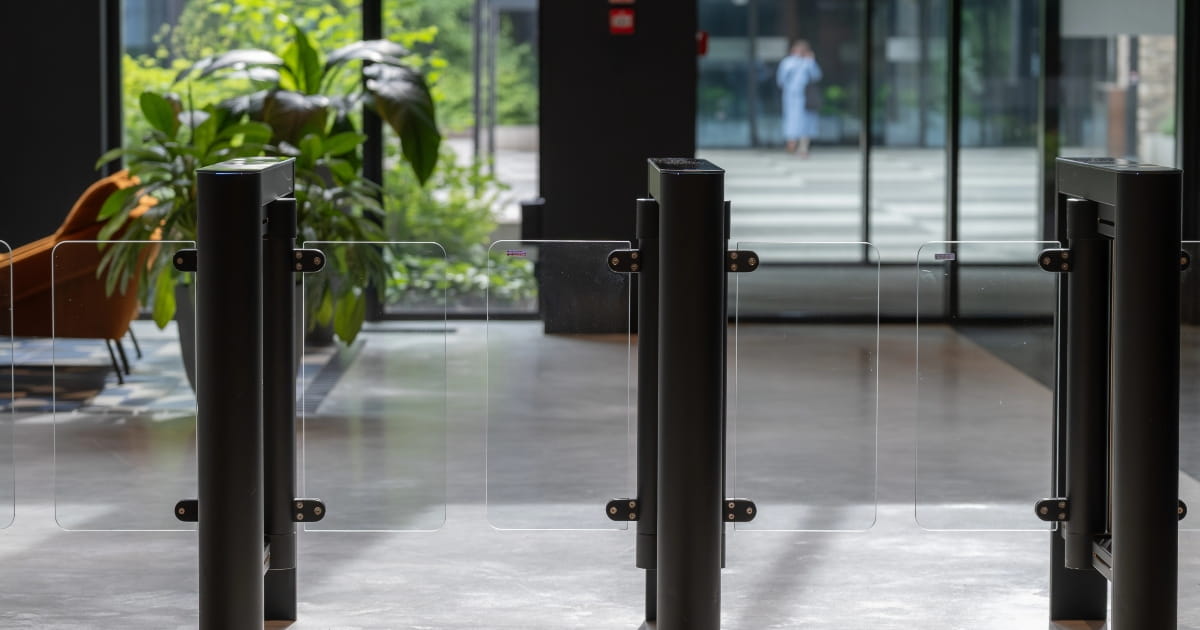
When an automatic door fails at a major commercial entrance, the impact is immediate. Blocked access, safety risks, operational disruption, and emergency repair costs add up quickly.
Connected door systems can support early fault detection by sending automated alerts when performance falls outside normal parameters. For building managers responsible for high-traffic entrances, that difference is significant.
Scheduled automatic door repairs and preventative maintenance programs work alongside connected monitoring to keep systems operating reliably and extend their service life.
Choosing the right smart access solution for your building
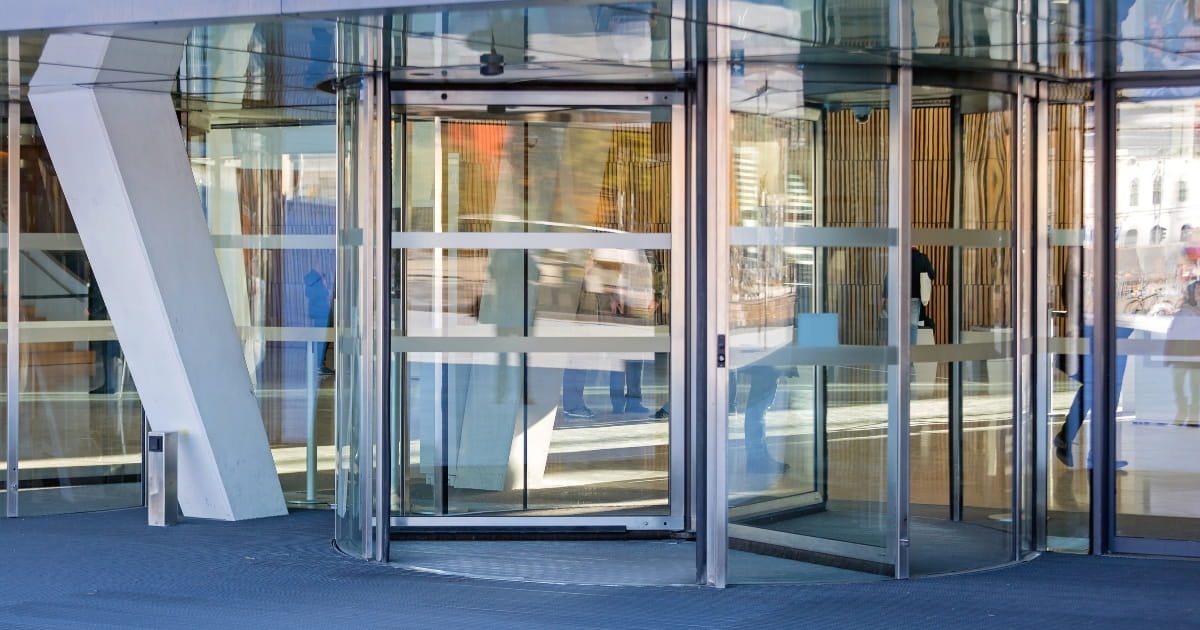
The most suitable automatic access solution depends on your building type, door location, pedestrian traffic levels, security requirements, and energy-efficiency goals. Also consider integration with existing building systems early, particularly if you’re working within a BMS environment or planning access control upgrades.
Key questions to work through include:
- How much traffic does each entrance receive, and during which times?
- Are there accessibility requirements to accommodate?
- Does the entrance need to integrate with existing access control, security monitoring or building automation?
- What maintenance support is available for your systems?
Working with an experienced automatic access solutions provider can help you assess these factors and select a system suited to your operational requirements. Our team works with commercial buildings, hospitals, retail centres, government facilities and industrial properties across Perth and Western Australia.
Contact us to discuss your project or arrange a site assessment.
Smart buildings are changing how commercial properties operate
The shift toward smarter, more connected commercial buildings is well underway in Australia. Automatic doors are a practical part of this shift, supporting energy efficiency, better access control, smoother pedestrian flow and more informed maintenance planning.
For building owners, facility managers and property managers in Western Australia, the case for connected automatic entrance systems is straightforward: they reduce running costs, improve building performance and help you catch faults before they cause disruption.
To discuss commercial automatic doors, repairs or maintenance, contact our team at Go Doors.
Frequently asked questions
A building becomes smart when it uses connected systems, sensors, and automation to improve its operations, including access, lighting, heating, cooling, security, and predictive maintenance.
Automatic doors support smart buildings by improving access control, pedestrian flow, energy efficiency and maintenance visibility.
The main advantages of smart building systems include better efficiency, improved comfort, stronger access control, reduced energy waste and more informed maintenance planning.
Yes. Many commercial buildings can upgrade their entrance systems with automatic doors, sensors, access control and maintenance support suited to the site.